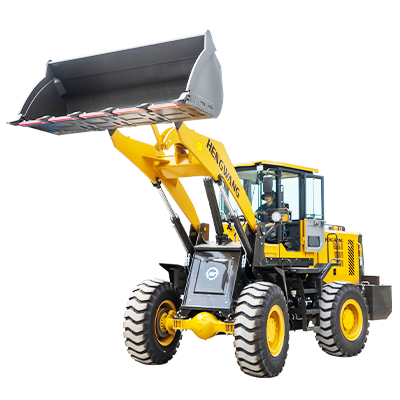
Lack of Operation Training: Operators lacking maintenance knowledge use inferior oils and parts, aggravating component wear, increasing transmission resistance, and causing oil temperature rise.
Environmental and Load Impact: Outdoor construction under high-temperature exposure and dust adhering to heat dissipation devices; long-term overload operation makes clutch and braking systems generate cumulative frictional heat, prone to overheating due to insufficient heat dissipation.
When oil temperature exceeds the ideal range of 30-55°C, lubricating oil viscosity drops, leading to lubrication failure and intensified wear of precision components like gears and bearings, forming a vicious cycle.
Hydraulic system seals age and leak due to high temperature, causing unstable system pressure and reduced operation accuracy; in severe cases, hydraulic oil deteriorates to block oil circuits, triggering fatal failures like valve sticking.
Prevention and Operation: Operators must receive professional training to standardize oil use and regularly check oil levels; equipment managers should establish real-time oil temperature monitoring, increase inspections during high-temperature periods, and stop operation immediately for anomalies.
Heat Dissipation System Maintenance: Regularly clean heat dissipation fins and filters; install auxiliary cooling devices or adjust operation time in extreme heat.
Transmission Oil Temperature Control: Use manufacturer-certified high-quality lubricants, replace filters regularly, control loads to avoid long-term full-load operation, and reduce the risk of abnormal oil temperature from the source.
Paying attention to oil temperature management and maintaining it from multiple dimensions such as personnel training, parts control, and environmental adaptation can ensure loaders operate efficiently and stably, extending their service life and creating greater construction value.